
Rusk County Owner of Record Fields
"Owner Name" is the label on the owner column. Nearby fields show Address, Property Address, Parcel ID, Owner ID, and Legal. The Real Property Lister maintains current ownership for Rusk County's assessment and tax rolls. The county publishes no refresh interval.
| Owner Name | The owner field shown in the public Catalis result. |
|---|---|
| Mailing address | The portal has an Address field; its precise definition should be checked on the current result. |
| Situs / Property Address | A separate Property Address label appears beside Address. |
| Parcel ID and Owner ID | Identifiers shown in the result inventory for matching the record. |
| Legal description | A land-description field; compare it with the recorded deed. |
| Last sale / deed reference | Not captured as a tax-result field; confirm the transfer in the Register of Deeds index. |
The owner of record is not always the occupant. Address and Property Address are separate labels, and their live definitions are not published field by field. Treat them as clues. Neither one proves who lives at the site. For a fresh transfer, the newest deed names the grantee directly. A roll entry may simply be waiting on an administrative update.
Confirm the Current Rusk County Owner
A closing and a tax-roll update are separate events. Rusk County describes the Lister's role but never states how often names refresh. Check the Register of Deeds first. Match the deed's grantee, recording reference, and legal description against the parcel result. Aligned records beat a single name.
Two offices keep different parts of the trail. The Register of Deeds records land instruments. The Real Property Lister maintains county ownership for the assessment and tax rolls. A newly recorded deed may name the grantee while the parcel result still shows the prior owner. Save the lookup date and the deed's recording details. A later check can then show which source moved.
The Treasurer and Real Property Lister sit at 311 Miner Avenue East, Suite C140, in Ladysmith. The county lists 715-532-2105 for that office. Start on the county's official page to reach the current tax-parcel search. Send the Parcel ID and the legal description. Ask which record supports the Owner Name field. A shared surname or mailing address alone may point to a different account.
Say up front whether the question concerns the deed index or the assessment roll. The Register of Deeds can check a recorded instrument and its recording reference. The Real Property Lister can explain a roll entry's source. The Treasurer takes payment and delinquency questions. Every office is linked from the county's official records pages, and each may refer you to a municipal custodian. Keep the parcel ID and legal description in the request so the transfer and tax account stay separate.
- Read the Owner Name, Parcel ID, Address, Property Address, and Legal fields in the Catalis result.
- Open the county Register of Deeds page and use its linked Tapestry or RODdirect service to locate the newest conveyance.
- Check that the grantee and land description match the parcel rather than only matching a surname.
- If an LLC, trust, or estate is named, check the entity or probate source that applies to the record.
- Owner of record
- The name carried in the assessment roll or conveyance for its stated purpose.
- Grantee
- The party receiving an interest in a recorded instrument.
- Vesting
- The way an instrument states that an interest is held; read the deed itself.
- Registered agent
- A business contact listed for an entity, not proof that the agent owns the land.
Rusk County Owner Address Limits
Mailing information and the site address do different jobs. A tax notice can travel far. Land Information assigns a fire number to the site itself. Rural parcels bring shared driveways, newly named roads, and addresses that lag in some systems. Keep the address, owner name, and parcel ID together. Ask a custodian to confirm the record with all three.
Lawful use. Owner and mailing fields support property research and proper record requests. They do not grant permission to stalk, harass, expose, or harm anyone.
Rusk County Roll Update Timing
Rusk County publishes no standard number of days between a closing and a tax-roll update. The Lister maintains current ownership. The Register records documents as they are accepted. A closing package can be signed, a deed submitted, and a roll change still follow through a separate administrative process. Never treat an older result as a live title check.
Timing matters when a transfer is fresh. Compare the deed's execution and recording details with the portal's Owner Name field. A difference calls for two questions. Ask the Register whether the instrument has been recorded. Ask the Real Property Lister whether the roll entry has been refreshed, and keep both answers with their dates.
Rusk County Current Owner Portal
The county's Catalis result shows Owner Name, Owner ID, Parcel ID, the legal description, and two address labels. The county does not publish the parcel card's last-sale field, update timestamp, land and improvement split, exemptions, or image controls. Those details need a live check.
The image is the tax portal's guest-entry page, not a sample current-owner card. Open the portal to see the real result. Note the lookup date. For a recent sale, compare the newest deed instead of waiting on an assumed refresh cycle.
Begin with the county's tax-parcel search entry.
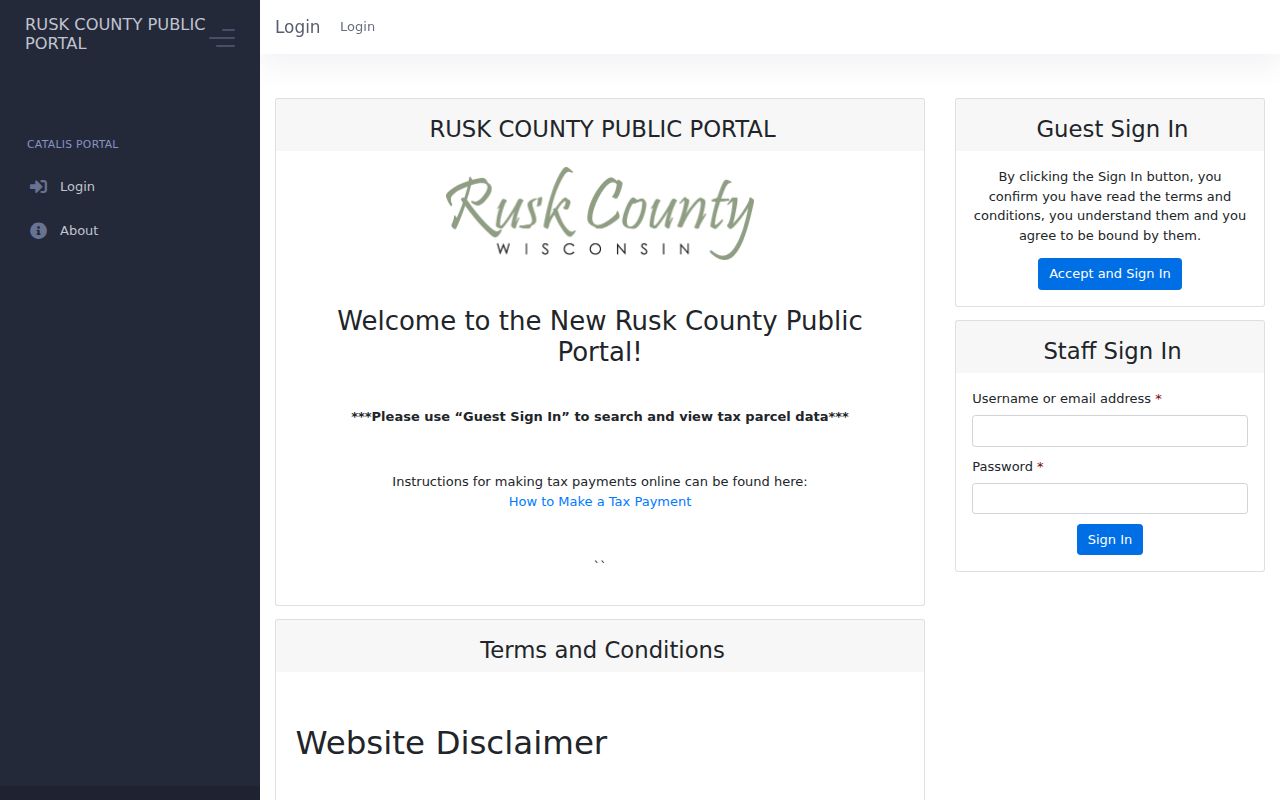
Owner Name is a roll field; check the deed.
Rusk County Entity Owner Names
An LLC or a corporation often shows up as the grantee on a Rusk County deed. That same entity name appears in the tax roll. Wisconsin Department of Financial Institutions records let you confirm the entity's legal name and status. Still, a registered office or agent address proves nothing about where the property sits. It also says nothing about who controls the asset. For that, match the entity on the deed against the parcel legal description.
Trusts and estates take extra care. Rusk County's Register in Probate handles access to probate and informal-proceeding files. Confidentiality rules protect certain records. Court files can clarify a personal representative's authority. The land transfer itself, though, belongs in the recorded instrument. Check the deed records there.
Correct a Rusk County Owner Record
A wrong Owner Name on the portal calls for documentation. Gather the parcel ID and the legal description. Add the current deed reference and the date of the portal result. Then ask the Real Property Lister which document supports the assessment-roll entry. A deed that is incorrect or missing is a matter for the Register of Deeds. The Register can explain the recorded index and the procedure for addressing an instrument.
Wisconsin Public Records Law, Wis. Stat. §§19.31–19.39, opens another route. A request to a public custodian can name the parcel and the records sought. It can include a date range and ask to inspect before requesting copies. The custodian decides what is held and what may be released or redacted.
Rusk County Current Owner Alerts
The Register of Deeds links a free Property Fraud Alert service. It covers monitored properties in Rusk County. An alert is only a prompt to check a filing. It is not a legal determination of fraud. Keep the instrument number handy. Contact the Register directly if a document looks unauthorized.
Verify office contact details through the official county page. Do this before answering any letter, call, or payment request about a deed. The county's fraud-alert link is a safer starting point than an unsolicited service offer. See the Register of Deeds alert information for the official entry. The separate enrollment page shows the sign-up route for the service.
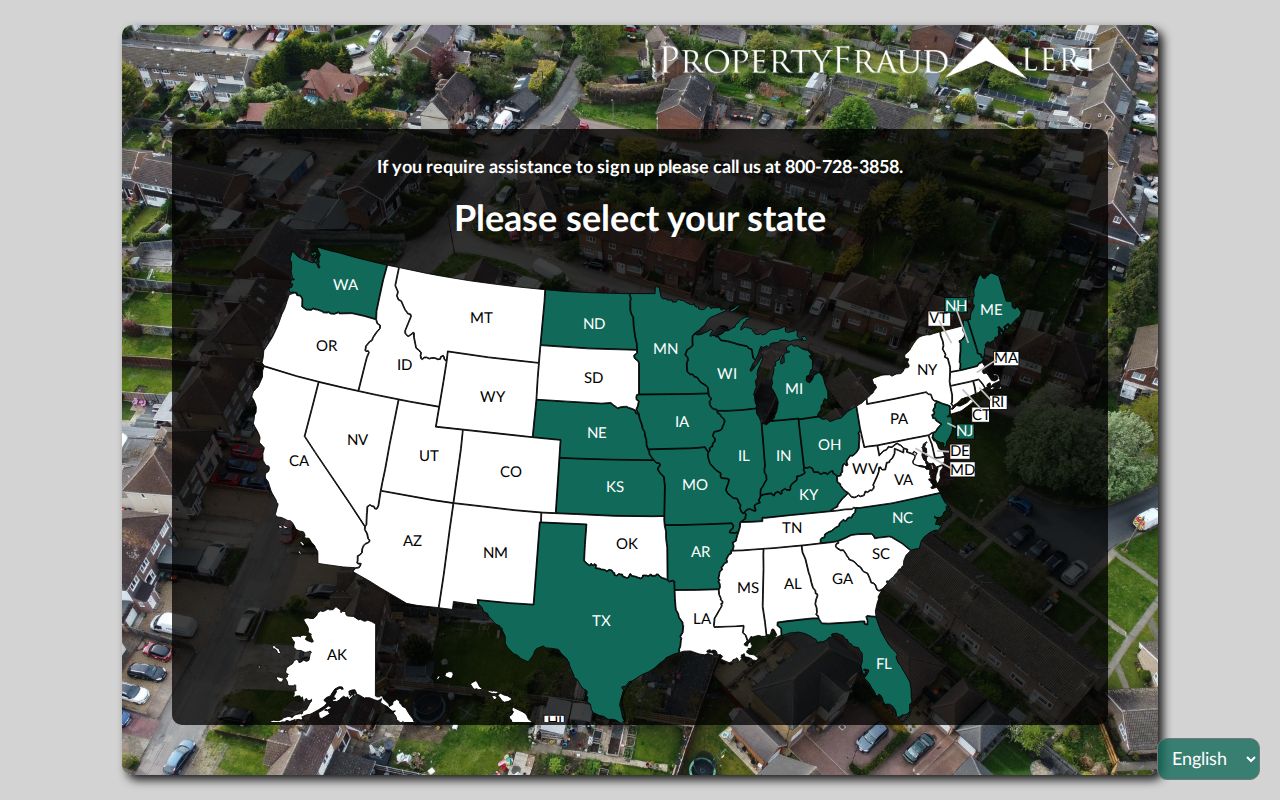
Treat the alert service as one signal. Always verify a recorded instrument with the custodian before acting on it.